
The Read and the Re-read

My reading habit has also become a listening habit of late which accompanies my embroidery. I see people put out lists of books, they have read in 2025, I am unable to recall the books I had read. I am not even sure if I had read a book a month. I ended the year on a high, reading Mother Mary comes to me and went on to re-read Ministry of Utmost Happiness.
My reading habit is not proportionate to my buying books. I am not unique in this I know and this assuages the guilt somewhat. I buy books all the time. I like to surrounded by them even in other people’s homes. I decide people are my people, If I see books in their beautifully decorated homes. I seal friendships by making bookmarks for them.
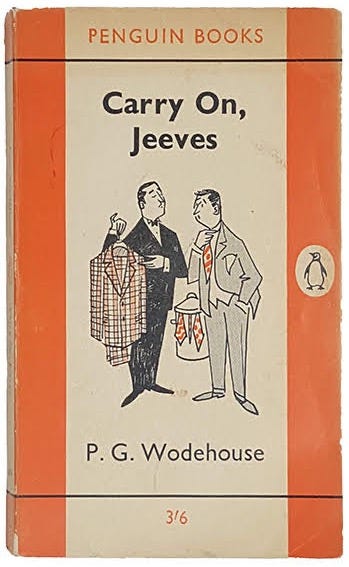
I read across genres, but I cannot read science fiction, horror or fantasy or the likes of it. I am too boringly grounded to allow my imagination fly. Neil Gaiman’s non science fiction short stories I have enjoyed reading. Terry Pratchett’s non disc world related interviews, lectures I listen to intently, but I have till date not been able to read the series. Perhaps this has something to do with the books that I was surrounded by, growing up. Going down memory lane I have realised gives answers to many questions. So much to hold our parents responsible for, the nice and not so nice. I did not read all the books that my parents’ collection held. They read widely, Sarat Chandra, Tagore and other Bengali authors translated into Kannada and many of the Kannada greats Kuvempu, S.L.Bhyrappa, Masti and others in the original.They devoured P.G. Wodehouse. For some strange reason I never read Wodehouse despite my father’s insistence and very visible enjoyment of his works. Humour perhaps is something I need to work on. But that is for another day. My reading is limited to English and some Hindi.
In the past decade, my reading has expanded thanks to the (Sarovar) B&G Book Club (of which I proudly claim being a member from its very first day). We celebrated its 9th anniversary a few weeks back. The theme for the week’s reading was ‘Joy’. Two pieces of writing jumped up at me. Predictably Mary Oliver’s poem “Don’t hesitate” which ends with the lines “Joy is not a crumb”. Another one tucked away somewhere was a book called “Joy in the morning”. I read from both in the session and I would like to share my experience of the reading and the re reading of the book.
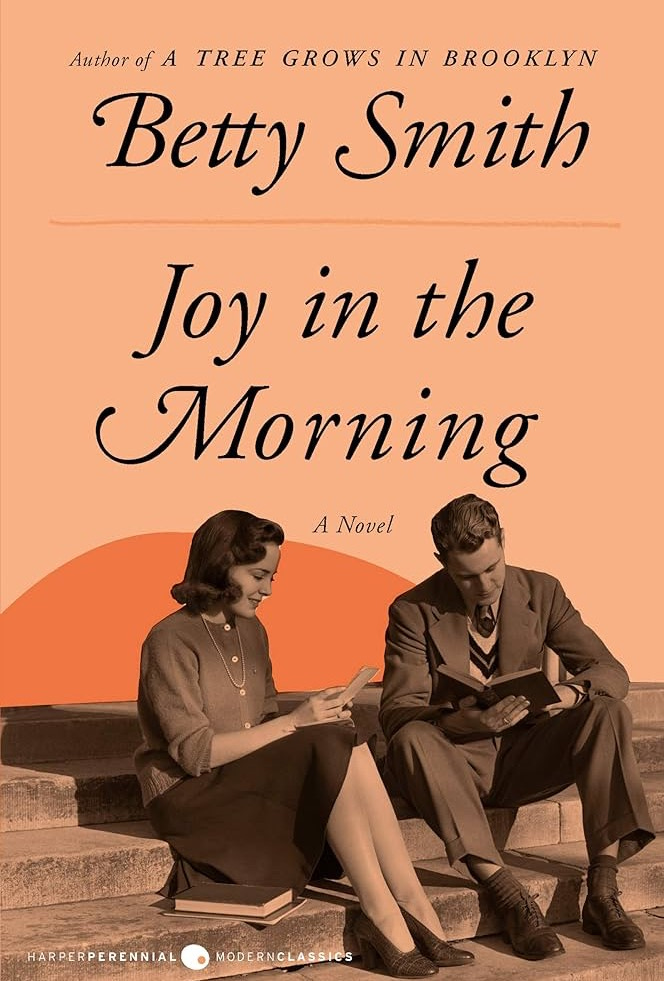
We had stacks of Readers’ Digest Condensed books at home – hardbound. Each of them had three or four abridged novels, they were not rewritten – they were just edited for length. We were allowed to read them but never lying down in bed cos the hard bind might come undone. We were reminded constantly that these and the big Atlas were bought paying in instalments. It sure was a different world. Books were bought in instalments, now jeans are bought in instalments- even one’s holiday one can pay for after it has been enjoyed. I had fragmented memories of the book. I did not even remember the name of the author. Thanks to the wonders of the internet, I located a pdf copy online – the author was Betty Smith. She wrote 4 books her first novel “A tree grows in Brooklyn” became a best seller and then was made into a movie Wikipedia tells me. Rereading Joy in the morning was a completely new experience. The book based in the 1960s in Brooklyn is the story of two very young people, Annie and Carl. She is keen on books and getting an education but has only finished high school and Carl is enrolled in Law School. She elopes and they marry in front of a judge the day she turns eighteen. I am sure the description of the University town and its library was fascinating to me as a teenager. Perhaps I imagined being in one such someday. The details of how the girls in university dressed must have had something to with it “a bob cut, long pleated skirts loose sweaters” and what I imagined as flat pump shoes described as “saddle shoes”. The story is predictable, the couple has their financial woes, but Annie’s spirit remains buoyant as she begins borrowing books from the library and dressing like the students herself. She starts standing outside classes till the Dean and a kind Professor of Modern Comparative Literature (I knew an incredibly kind one too) take her in and she becomes one of the students eligible for a degree. Contraception was just about being approved in the 60s and Annie gets pregnant not quite ready for it. Annie has memories from her town of a young friend who dies after a botched-up abortion referred to in hushed tones and she knows better than to take that route. Annie delivers a healthy child; Carl graduates and they live happily ever after.
Rereading the book gave me a perspective which I did not have when I read it as a teenager. I read it now with the wisdom of today and through evolving feminist lenses. One discovers layers which were unrecognised, one appreciates how much the world has changed. Women writers even in early 20th century America, writing simple romance imbued female characters with ambition even as they mellowed them down with very wifely domestic qualities to strike a balance. One is also struck by the changed use of words and language.
Carl mentions to Annie that he had taken a girl out to a dance (cos if he did not “the guys would think him queer”) There is even a mention of Annie telling her husband not to give up his cigarettes, as he needs them to keep alert but smoke them till the butt to save money. Smoking was a rite of passage and the tobacco lobby had its committed followers. Patriarchy makes it presence felt throughout as Annie makes concessions for Carl consistently. She insists that she is not an ‘ambitious’ girl – as if ambition is a bad thing but she remains independent enough to insist that those whom she meets call her Annie and not Mrs Brown. I wonder if the word ‘Queer’ was used by Betty Smith in the sense of strange or was the term already in use as it is today to denote same sex relationships. The last word was recently revealed to me in its new meaning. Till then it was always about the young boy who saved Holland being swallowed up by the sea by sticking his finger in the hole in the dyke.
I was in an all-girls school and of course curious about the birds and the bees and more. Books with ‘the spicy’ descriptions were always discussed in school. Arthur Hailey was particularly popular. Betty Smith offers a variety of spice too. As Carl and Annie wait in the landlady’s parlour while she is getting their lodgings ready Carl wants more than a deep hard kiss which Annie refuses to participate in. “Fury added to sexual frustration, made him wild” He grabs at Annie and tears apart her blouse despite her vehement protests. She tells him firmly after her tears are spent and shame overcome that she does not like to be “grabbed”. I do not remember reading this perhaps it was a section that was edited out. I suspect if it was retained, I would remember cos it was passages like this that were instructive. This passage if read by a young person now would be too bland to deserve a mention but perhaps the violation of consent would be the main takeaway. I knew it not then. It was not part of the vocabulary then. It came later, much later.
Reading this book makes me want now to read more and also re read. The latter is a singular experience. Many books perhaps everyone of them is received differently based on one’s state of mind and experiences. They deserve a re-read. This has been one of the greatest joys of being a member of the book club. Looking for a reading on the chosen theme for the session requires a racking of one’s brains to identify which book or which passage of poetry would fit. This is an exercise in itself. Open the bookshelf and stare at it for a while and hope for a revelation. Extract the book, and leafing through the pages reading more than one intends to read aloud is doubly delightful.
I see the young lawyer re-reading or listening to the Harry Potter and the Jeffrey Archer series for the umpteenth time. What is that he looks for? What is it that he finds appealing? Is it just to evoke memories of a time when he was younger reading these for the first time? Reading for pure pleasure, skipping words he did not know exactly and more interested in the story. Does he find nuances he had not recognised earlier? I suspect the former. The same works when he reads Feluda in Bengali. It is a connection to the home of his childhood, not as much linked to place or room but to experiences and people.
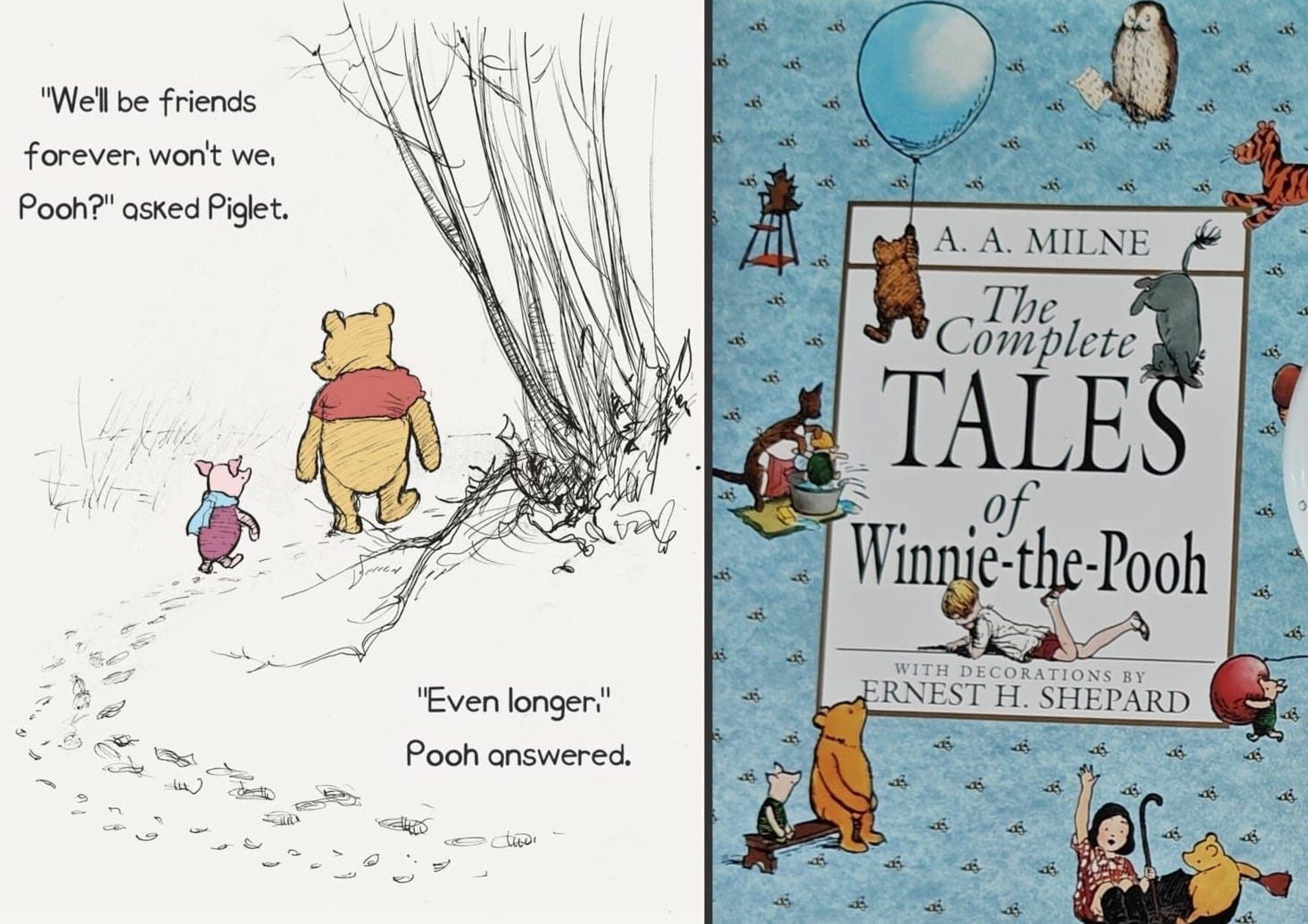
There is one book I wish I could re-read to him. Winnie the Pooh and the Hundred Acre Wood, it was our bedtime storybook. A character I discovered with him. Each time we quarrelled from childhood and well into his teenage years we made up with Pooh and Piglet speak. And he has remained true to this childhood story. He is my place of reason and truth even if it sometimes is unpleasant to hear it.
This is what books give us, create worlds that we can always return to, they enable us to extract what we need at that point in time even as that changes when read another time. Men and women in books are more real to me and closer than many I see around me. I see myself in some, want to be like some others and fewer I pray, I never become like.
And now I am faced with a question that I hope you will all help me answer. Do I reread and discover old friends anew or do I enter new worlds and make new ones?
I feel this in my soul. I’ve been a book collector since I was a kid. My shelves always grow faster than I can read, but I’ve finally stopped feeling guilty about it. I actually found out recently that there is a Japanese word for this: tsundoku. I love that it doesn't have a negative connotation. It isn't about hoarding; it's just about the joy of owning books you haven't gotten to yet. To me, books are the best kind of decor. Sometimes I buy a book just because of how it feels in my hands. I can’t resist a heavy leather cover or a soft velvet binding, even if I have to buy it "paying in installments." :P
You must keep reading old friends and make a new one every now and then!